The Sun and Moon: Natural Regulators of Health
The Sun and the Moon have forever been considered powerful influences on human health and behavior. Recent research has started to describe the mechanisms behind these beliefs, revealing how diurnal (24-hour) cycles governed by the Sun, and lunar (29.5-day) cycles governed by the Moon influence health. This post explores these rhythms and their impacts on […]
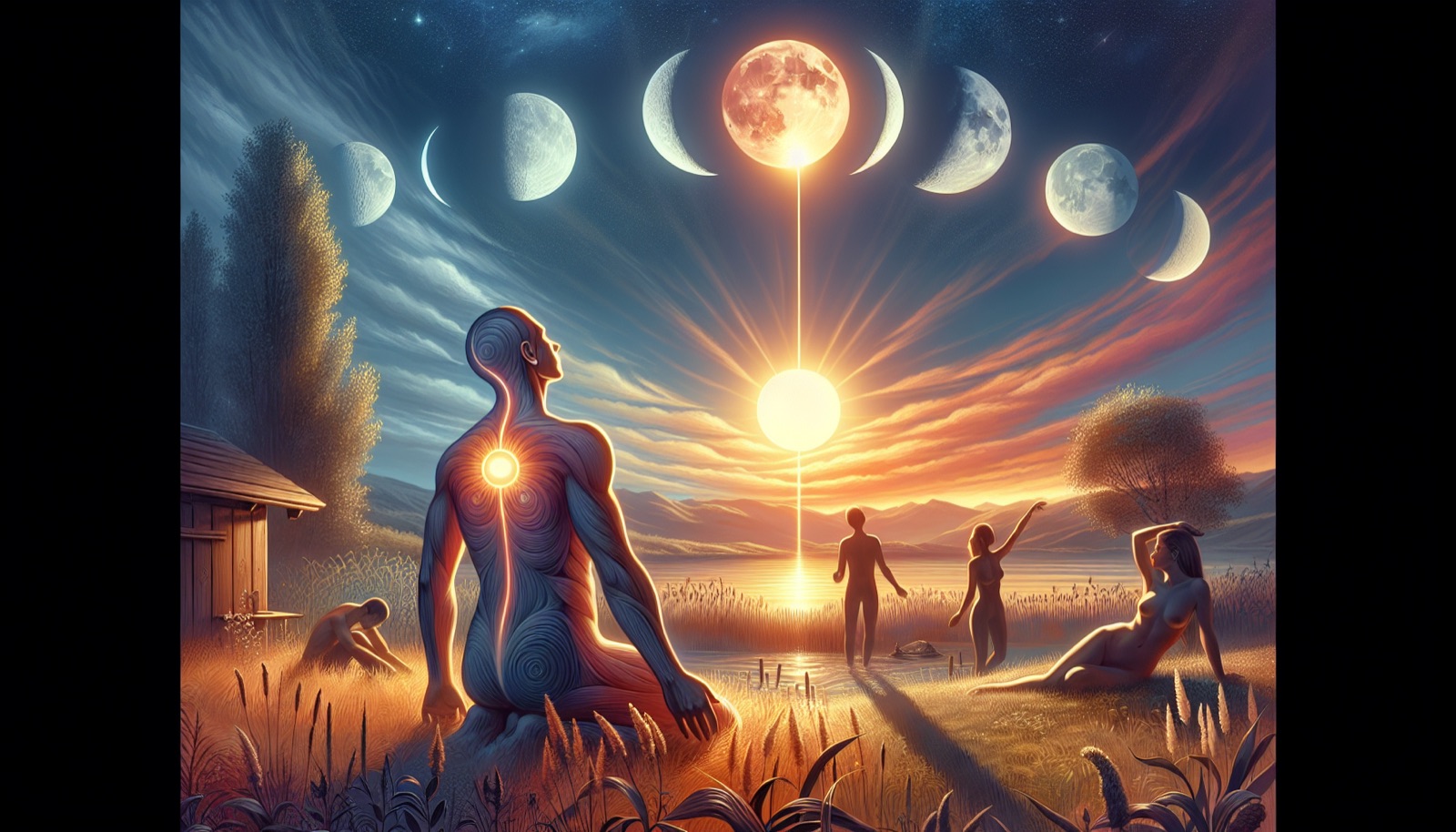
The Sun and the Moon have forever been considered powerful influences on human health and behavior. Recent research has started to describe the mechanisms behind these beliefs, revealing how diurnal (24-hour) cycles governed by the Sun, and lunar (29.5-day) cycles governed by the Moon influence health. This post explores these rhythms and their impacts on our well-being as they’ve been discovered to this point.
You’ll notice that a good number of the topics I’ll cover can apply to both men and women, such as the topic of mental health, with select topics being sex-specific. While evidence supports the idea that both the Sun and the moon impact male and female health, I’ve personally noticed a relationship between men and the Sun, and women and the Moon. When more evidence presents itself, you’ll see a follow up post right here on A Look Around Blog.
Let’s get into it:
The Solar Cycle’s Impact on Health
The Sun’s diurnal cycle has a significant effect on health, particularly through its regulation of hormones and circadian rhythms.
1. Testosterone Production
Sunlight exposure, especially in the morning, has been linked to increased testosterone levels in men. Testosterone is crucial for maintaining muscle mass, bone density, and overall energy levels. The Sun’s UVB rays help the body produce vitamin D, which in turn supports healthy testosterone levels. Studies have shown that men who receive adequate sunlight exposure have higher testosterone levels compared to those who don’t.
2. Circadian Rhythms
The Sun helps regulate the body’s internal clock, known as the circadian rhythm, which controls sleep-wake cycles, hormone release, and other physiological processes. For both men and women, a well-regulated circadian rhythm is essential for optimal health. Specific to men, disruptions in this cycle can lead to issues like insomnia, decreased testosterone production, and impaired cognitive function. Regular exposure to natural light during the day helps synchronize the circadian rhythm, promoting better sleep and overall health.
3. Mental Health
Exposure to sunlight has been shown to boost mood and mental well-being by increasing the production of serotonin, a neurotransmitter that contributes to feelings of happiness and well-being. Studies show that people who spend more time outdoors in natural sunlight are less likely to experience depression and anxiety. The Sun’s influence on serotonin levels is a natural mood enhancer and stress reducer.
4. Physical Performance
Sunlight exposure can also enhance physical performance. Studies suggest that athletes who train outdoors under natural light perform better and recover faster than those who train indoors. This is partly due to the positive effects of sunlight on testosterone levels, mood, and circadian rhythm, all of which contribute to improved physical performance.
The Lunar Cycle’s Impact on Health
The Moon’s lunar cycle plays a significant role in female health, particularly through its influence on menstrual cycles and hormonal balance.
1. Menstrual Cycle Regulation
The lunar cycle, which lasts about 29.5 days, closely mirrors the average length of a woman’s menstrual cycle. Historically, it has been observed that many women experience menstrual cycles that align with the phases of the Moon. Some theories suggest that the Moon’s gravitational pull affects the fluid balance in the body, influencing the timing of menstruation. This natural synchronization can promote hormonal balance and reproductive health.
The different phases of the Moon (new, waxing, full, and waning moon) are associated with influence a woman’s hormonal fluctuations. For example, the new moon is often associated with the onset of menstruation, while the full moon is linked to ovulation. These cyclical patterns can help women understand and track their hormonal changes, promoting better management of menstrual symptoms and overall hormonal health.
2. Emotional and Mental Health
The Moon’s phases are also believed to affect men and women’s emotional and mental well-being. Many women report feeling more introspective and emotionally sensitive during the new moon, and more energetic and extroverted during the full moon. Understanding these natural rhythms can help women navigate their emotional landscapes more effectively, promoting mental health and emotional resilience.
3. Fertility and Reproductive Health
Lunar cycles have been linked to fertility and reproductive health. Some studies suggest that women are more likely to conceive during certain phases of the Moon, particularly around the full moon. This knowledge can be used to enhance fertility awareness and family planning strategies.
Embracing Natural Rhythms for Optimal Health
Understanding how the Sun and Moon influence male and female health can help us align our lifestyles with these natural rhythms. Here are some practical tips:
For Men:
- Aim to spend at least 30 minutes outside, especially in the morning, to boost testosterone and regulate circadian rhythms.
- Maintain a consistent sleep schedule to support circadian health.
- Engage in outdoor physical activities to enhance performance and mood.
For Women:
- Track your menstrual cycle in relation to the lunar phases to understand your hormonal patterns.
- Use natural light exposure to help regulate your sleep and mood.
- Incorporate mindfulness practices that align with the lunar cycle to support emotional well-being.
Understanding these cycles and how they might affect you personally will lead you one step forward in becoming optimally healthy to facilitate goals that you have in your life.
Until next time, take care of yourself and someone else.
-brandon.