
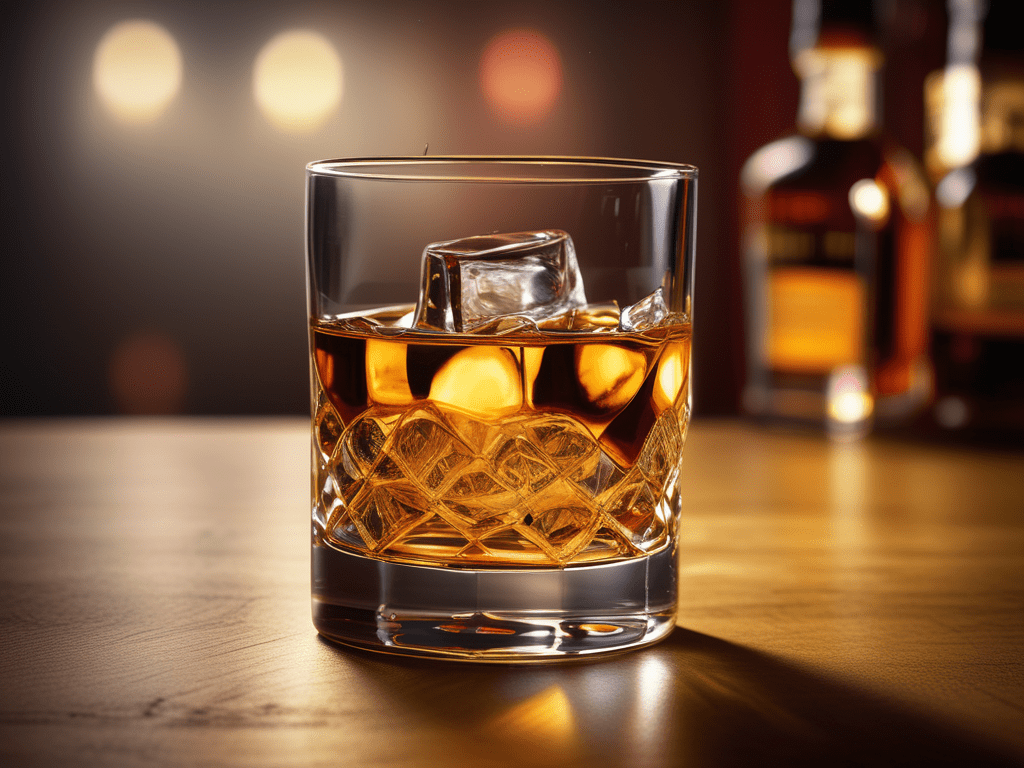
In recent years, there has been growing interest in alternative substances that can provide the euphoric effects of alcohol without the negative health consequences. From my experience, the most popular one I’ve seen is Kratom, but another substance gaining attention is 1,3-Butanediol (1,3-BD). But what is 1,3-BD, and could it truly revolutionize the way we approach drinking culture?
Understanding 1,3-Butanediol’s Chemistry
1,3-Butanediol is a type of alcohol known as a diol, which means it has two hydroxyl groups. Unlike ethanol, the type of alcohol commonly consumed in beverages, 1,3-BD metabolizes differently in the body. According to research available on PubMed, 1,3-BD is converted into beta-hydroxybutyrate (BHB), a type of ketone body, during metabolism. This conversion is particularly interesting because BHB is known for its potential benefits in energy production and brain health.
The Potential Benefits of 1,3-BD
- Reduced Hangovers: One of the most touted benefits of 1,3-BD is its potential to cause fewer hangovers compared to traditional alcohol. Since 1,3-BD metabolizes into BHB rather than acetaldehyde (a toxic byproduct of ethanol metabolism), it may lead to fewer hangover symptoms such as headaches, nausea, and fatigue.
- Ketogenic Properties: For those following a ketogenic diet, 1,3-BD might be particularly appealing. Its conversion into BHB can help maintain ketosis, a metabolic state in which the body burns fat for fuel instead of carbohydrates. This could provide a source of energy without knocking individuals out of ketosis.
- Neuroprotective Effects: Some studies suggest that BHB has neuroprotective properties. This means that consuming 1,3-BD could potentially offer some protection against neurodegenerative diseases and cognitive decline. However, more research is needed to fully understand these effects.
- Others: Other studies that I’ve found suggest that it can be effective in reducing kidney injuries (CKD), mediating high blood pressure (HTN), and protecting cells from stress from the endoplasmic reticulum.
Revolutionizing Drinking Culture
The idea of a “healthier” alternative to traditional alcohol is certainly appealing. If 1,3-BD can provide the social and psychological benefits of alcohol without the detrimental health impacts, it could significantly shift our drinking culture. Here are a few ways this could happen:
- Health-Conscious Consumers: As more people become health-conscious, the demand for alternatives to traditional alcohol is likely to grow. 1,3-BD could cater to this demographic, offering a way to enjoy social drinking without compromising on health.
- Reduced Health Costs: Alcohol-related health issues, including liver disease, addiction, and accidents, cost the healthcare system billions of dollars annually. If 1,3-BD can reduce these issues, it could lead to significant healthcare savings.
- Less Social Stigma: For those who avoid alcohol due to health reasons or personal preference, 1,3-BD might provide a socially acceptable alternative. This could reduce the stigma associated with not drinking in social situations.
How to Purchase 1,3-BD
For those interested in trying 1,3-Butanediol, a few brands have started to market it as a dietary supplement, and that means it is available to everyone. It is important to purchase from reputable sources to ensure product quality and safety. Some popular brands that offer 1,3-BD include:
- HVMN: Known for their ketone esters and other ketogenic products, HVMN offers 1,3-BD as part of their range aimed at enhancing physical and cognitive performance.
- KetoneAid: Another well-known name in the ketogenic community, KetoneAid provides high-quality 1,3-BD products that are used by athletes and biohackers alike.
These can be purchased through these brands’ websites or through sites like Amazon. Self-experimentation is always promoted on this page, but I stillI advise you to consult with a healthcare professional before adding any new supplement to your regimen, especially if you have underlying health conditions or are taking other medications.
The Road Ahead
While the potential benefits of 1,3-BD are exciting, it’s important to approach this substance with cautious optimism. More research is needed to fully understand its effects and ensure its safety for widespread use. Regulatory approval and public acceptance will also play crucial roles in its adoption.
In conclusion, 1,3-Butanediol presents an intriguing possibility as a healthier alternative to traditional alcohol. Its unique metabolic pathway and potential health benefits could revolutionize drinking culture, making social drinking more compatible with a healthy lifestyle. As science continues to explore and validate these claims, we might soon find ourselves raising a glass of 1,3-BD in celebration of a new era in social drinking.
DISCUSSION: Would you consider drinking this regularly? What are some concerns you might have for it? Comment below!
This post is part of a series on health optimization and innovative approaches to wellness. If you’re interested in posts like this, subscribe your email to A Look Around Blog to stay up to date on new developments in the health space.
Take care of yourself and someone else,
-brandon.
Brandon is a writer for and creator of A Look Around Blog, dedicated to exploring diverse perspectives and insights on personal growth, health, and well-being. To join our journey, enter your email below and leave a comment for this post.
 A Look Around Blog