
Part 1 of ALA’s “Y3” Series
The ALA Y3 Series is intended to help our readers create a deep understanding of one specific topic through one post.
Topic: Why is Heart Function Essential?
Why does the heart pump blood?
The heart’s primary role is to pump blood throughout the body, ensuring that oxygen and essential nutrients reach every cell while waste products are efficiently removed. This continuous circulation is crucial for sustaining life, as every organ and tissue in the body relies on a constant supply of oxygenated blood to function properly. Without the heart’s pumping action, the body’s cells would be deprived of oxygen, leading to cell death and, eventually, organ failure.
Why is the heart divided into four chambers?
The heart is divided into four chambers—two atria (upper chambers) and two ventricles (lower chambers)—to optimize its efficiency as a pump. This division allows the heart to effectively separate oxygenated and deoxygenated blood, ensuring that only oxygen-rich blood is delivered to the body, while oxygen-poor blood is sent to the lungs for re-oxygenation. The right atrium and ventricle manage the circulation of deoxygenated blood to the lungs (pulmonary circulation), while the left atrium and ventricle handle the oxygenated blood that is pumped throughout the body (systemic circulation).
Why do the atria and ventricles contract in sequence?
The coordinated contraction of the atria and ventricles is crucial for the efficient pumping of blood. This sequence is regulated by the heart’s electrical conduction system, which ensures that the atria contract first to fill the ventricles with blood, followed by the ventricles contracting to propel blood into the pulmonary artery and aorta. This coordinated action maximizes the volume of blood pumped with each heartbeat, maintaining adequate circulation throughout the body.
Why does the heart have an electrical conduction system?
The heart’s electrical conduction system is essential for synchronizing the contractions of the atria and ventricles, enabling the heart to pump blood effectively. This system includes the sinoatrial (SA) node, atrioventricular (AV) node, bundle of His, and Purkinje fibers, which work together to generate and transmit electrical impulses. These impulses start in the SA node, often referred to as the heart’s natural pacemaker, and spread through the atria to the AV node. From there, the signal travels down the bundle of His and through the Purkinje fibers, causing the ventricles to contract. This precise timing ensures that the heart beats in a rhythmic and coordinated manner.
Why is the SA node called the heart’s natural pacemaker?
The SA node is known as the heart’s natural pacemaker because it initiates the electrical impulses that set the pace for the heart’s rhythm. Located in the right atrium, the SA node generates spontaneous electrical signals at regular intervals, typically around 60 to 100 times per minute in a healthy adult at rest. These signals trigger the contraction of the atria and set the timing for the entire heartbeat, ensuring that the heart maintains a steady rhythm necessary for effective blood circulation.
Why does the heart need to maintain a steady rhythm?
A steady rhythm is essential for the heart to function efficiently as a pump. The rhythmic contraction of the heart’s chambers ensures that blood is consistently and effectively circulated throughout the body. If the heart’s rhythm is irregular (a condition known as arrhythmia), it can lead to inefficient pumping, reduced blood flow, and a range of health problems, including dizziness, shortness of breath, or even heart failure. Maintaining a steady rhythm allows the heart to meet the body’s varying demands for blood and oxygen, especially during activities like exercise or stress.
Why is the heart muscle (myocardium) so strong and resilient?
The heart muscle, or myocardium, is incredibly strong and resilient because it needs to withstand the continuous demands of pumping blood throughout a person’s lifetime. The myocardium is composed of specialized cardiac muscle cells (cardiomyocytes) that are uniquely adapted to sustain repeated contractions without fatigue. These cells are rich in mitochondria, the powerhouse of the cell, which provide the energy needed for constant muscle contraction. Additionally, the myocardium is highly vascularized, ensuring a continuous supply of oxygen and nutrients to support its relentless activity.
Why are mitochondria so abundant in cardiac muscle cells?
Mitochondria are abundant in cardiac muscle cells because they are the primary source of energy (in the form of ATP) required for the heart’s continuous contractions. The heart’s demand for energy is immense, as it beats approximately 100,000 times per day. Mitochondria generate ATP through aerobic respiration, a highly efficient process that uses oxygen to produce energy. The abundance of mitochondria in cardiomyocytes ensures that the heart has a constant supply of ATP to sustain its function without interruption, even under increased workloads such as during exercise or stress.
Why does aerobic respiration dominate in the heart?
Aerobic respiration dominates in the heart because it is the most efficient way to generate the large amounts of ATP needed for continuous muscle contraction. Unlike anaerobic respiration, which occurs in the absence of oxygen and produces much less ATP, aerobic respiration uses oxygen to fully break down glucose and fatty acids into ATP. This process takes place in the mitochondria and provides the energy needed to keep the heart beating. The heart’s reliance on aerobic respiration underscores the importance of a constant oxygen supply, which is delivered by the coronary arteries that encircle the heart.
Why is the coronary circulation vital for heart function?
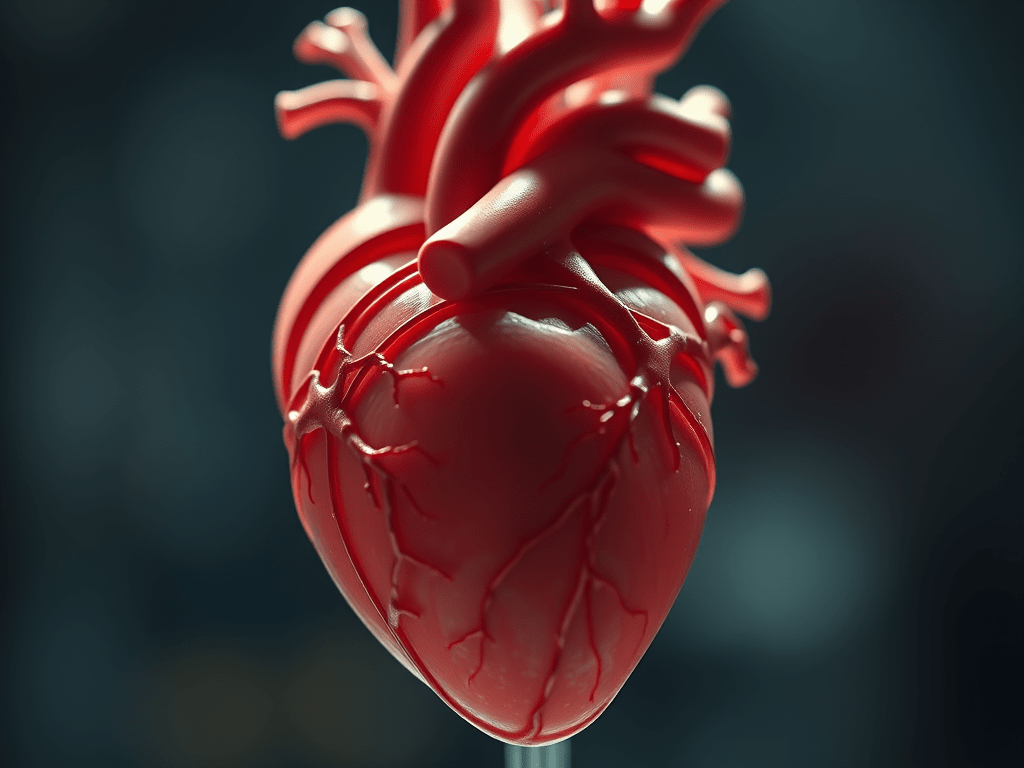
The coronary circulation is crucial because it provides the heart muscle with the oxygen and nutrients it needs to function effectively. The coronary arteries branch off from the aorta and deliver oxygen-rich blood directly to the myocardium. Without an adequate supply of oxygen, the heart muscle would quickly become ischemic (lacking blood flow), leading to tissue damage or myocardial infarction (heart attack). The coronary circulation ensures that the heart muscle remains healthy and capable of sustaining the continuous demands placed on it by the body.
Conclusion: Why Heart Function Is Essential
Understanding the intricate mechanics of heart function reveals just how vital this organ is to our overall health and survival. The heart’s ability to pump blood, maintain a steady rhythm, and adapt to the body’s demands depends on a complex interplay of structures and processes—from the specialized muscle cells that make up the myocardium to the precise timing of the electrical conduction system. By understanding these processes, we gain a deeper appreciation for the heart’s role in sustaining life and the importance of maintaining cardiovascular health.
The heart’s relentless work—pumping blood, maintaining oxygen supply, and ensuring that every cell in the body receives the nutrients it needs—underscores its significance. Any disruption in heart function can have serious consequences, which is why it’s essential to take steps to protect heart health through regular exercise, a balanced diet, and regular medical check-ups. In the end, the heart is not just an organ; it is the life force that powers every aspect of our existence.
Thank you for reading the first installment of A Look Around’s Y3 series, a series intended on creating a deep understanding of concepts for readers to apply to their everyday life. For clarifications, comments, takes, or addendum to this post, please leave a comment so that it can create a public discourse.
Take care of yourself and someone else,
-brandon
Brandon is a writer for and creator of A Look Around Blog, dedicated to exploring diverse perspectives and insights on personal growth, health, and well-being. To join our journey, enter your email below and leave a comment for this post.
 A Look Around Blog